Lock Road · Gillman Barracks
The road behind the roll gate.
Lock Road is a short street inside Gillman Barracks — named for the lock-up stores that once held military supplies. Our studio occupies a second-storey bay that still thinks in freight schedules.
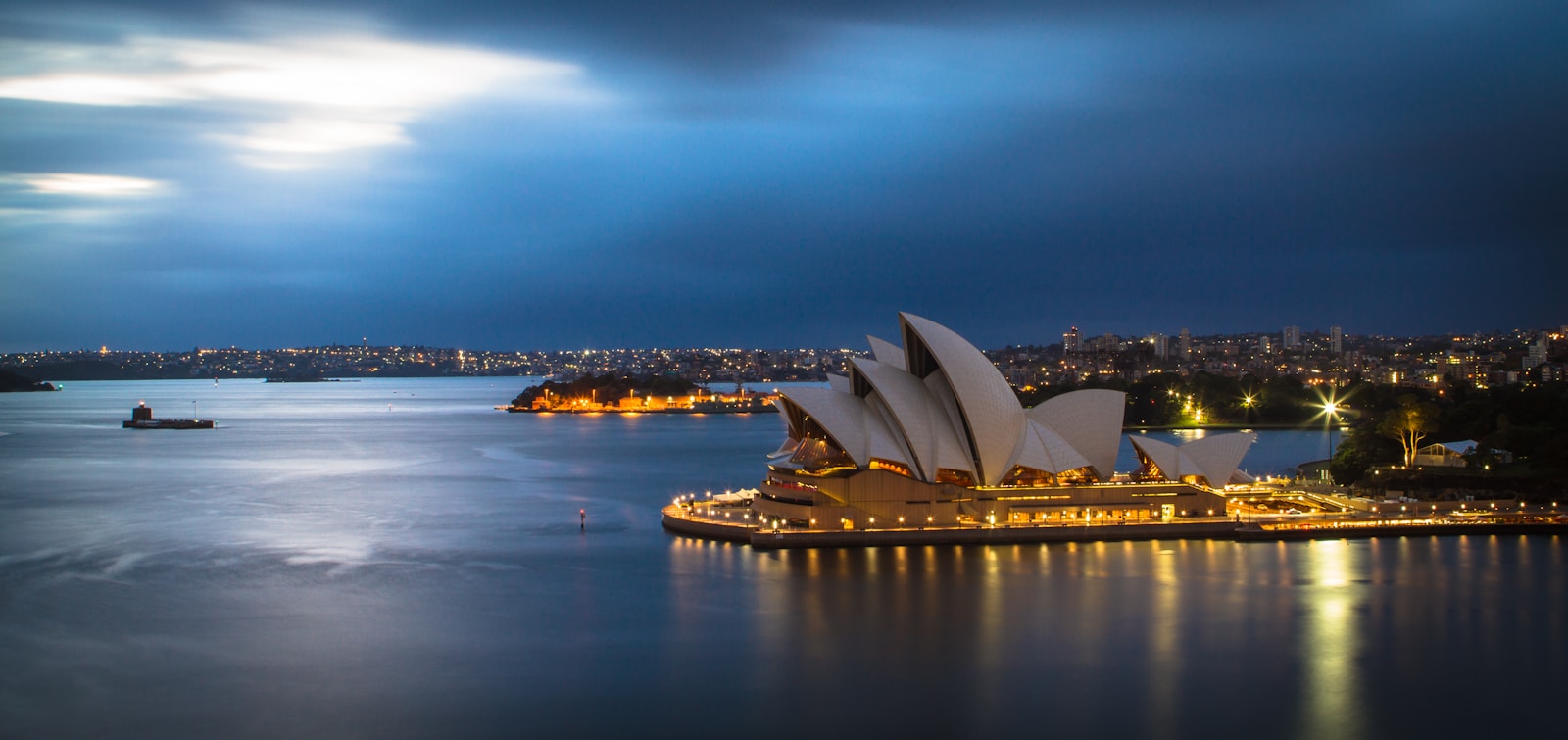
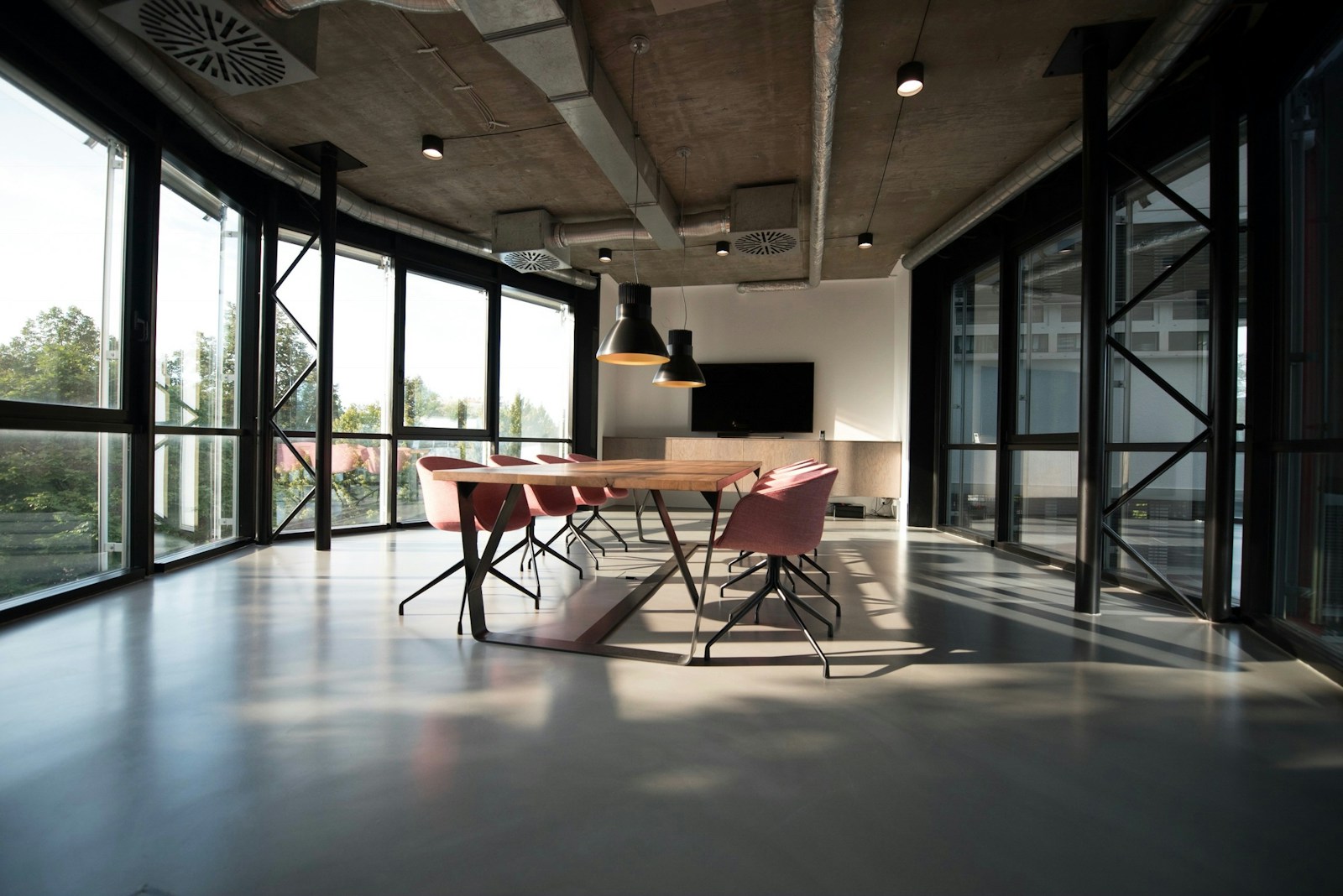

Gillman Barracks converted from military warehouses to arts and creative uses over the last decade. Galleries, cafés, and studios share courtyards where trucks still deliver crates at dawn. We chose Lock Road because the building accepts heavy floors, long walls, and the noise of honest work — not because the address sounds fashionable.
Boost Forge Spark moved here from a series of pop-up workshops in Alexandra and Tanjong Pagar. Those rooms taught us what we needed: horizontal space for the proof wall, shelving for archives, and a roll gate that separates client walk-throughs from production days.
How the bay is laid out
Enter through #02-01 — stairs beside the courtyard café. The hangar floor runs north to south: six marked bays along the north wall, steel shelving on the east, proof wall on the west, production table centre. Morning light enters from the courtyard side; we schedule interviews before noon when the bay is quietest.
The accession rail you see on inner pages mirrors the physical rail where we clip crate labels. Copper pendant lights mark the production table — warm enough for proofing print, cool enough for screen work. Nothing in the layout is decorative without function.
Working rhythms
Studio hours are Mon–Thu 10:00–18:30 and Fri 10:00–17:00 SGT. Production days often extend silently; client meetings do not. We batch external calls on Tuesday and Thursday afternoons so BAY 02 narrative days stay uninterrupted.
Neighbourhood rhythm matters. Gallery opening nights bring foot traffic we do not try to capture — we close the roll gate and keep working. Month-end sees more courier traffic; we schedule crate shipments for Monday mornings to avoid Friday courtyard congestion.
Getting here: taxi or ride-hail to Gillman Barracks, walk Lock Road to unit 02-01. Bus services stop along Alexandra Road; expect a six-minute walk through the campus. Parking exists but fills on weekend evenings — appointments help us meet you at the gatehouse. Details on Gatehouse.
- 2022 · pop-up workshops · Alexandra
- 2023 · narrative sprints · Tanjong Pagar
- 2026 · bay lease signed · Lock Road #02-01
- 2026 · hangar layout fixed · six bays marked
- 2026 · catalogue accession · public site launch
Why warehouse language
We talk about crates, bays, and packing lists because marketing work is physical even when it ships digitally. Files have versions. Proofs have weights. Campaigns have lead times. Warehouse vocabulary keeps teams honest about scope — what is on the truck, what is still on the bench, what never got ticked.
If you prefer conventional agency language, the work is still strategy, creative, and measurement. The filing system simply refuses to pretend otherwise. Read Hangar for bay definitions and Wall Notes for practical questions.
Campus context
Gillman Barracks sits between Alexandra Road and the Southern Ridges — close enough to CBD for client meetings, far enough that trucks still feel welcome. The campus mixes national galleries with independent studios like ours. Opening nights bring crowds we do not chase; we keep the roll gate closed and work through the noise when deadlines require it.
Monsoon weeks raise humidity on paper proofs. We weight pages and run dehumidifiers beside the shelving. Digital masters remain source of truth when cotton stock swells. Lock Road humidity is part of the job — not an excuse for late files, but a reason we version everything and photograph crates at packing time.
Gillman Barracks mixes quiet gallery days with occasional evening events. We soundproofed lightly — enough for interview calls, not enough to pretend freight never happened here. Tuesday mornings are our quietest window; Friday afternoons see more courtyard traffic. We schedule sensitive narrative read-throughs accordingly.
The café downstairs is useful for informal continuations after formal bay time ends. We do not expense client lunches into retainers unless agreed — but the walk to the courtyard often resolves sticking points faster than another email thread.
Lock Road itself is pedestrian-friendly. Delivery riders know the roll gate; give them the accession number if you expect a crate pickup. Misdeliveries happen when clients forget the unit number — always include #02-01 on courier labels.
Rain on the roll gate is louder than traffic — clients mention it on first visits. We keep umbrellas in the stand because proof pages smear when you sprint through drizzle. Afternoon sun hits the roll gate directly; interviews sit on the east side after two o'clock. Taxi drop-off is at the Gillman main arch — allow six minutes on foot to our roll gate with briefcases.
Historical maps of Gillman show supply yards we no longer recognise. Lock Road's name stuck. We are tenants, not heritage curators — but we respect that the building remembers weight and wheels longer than any campaign we file. Fire drills in Gillman happen without much warning; we carry client folders to the courtyard marker, then return. Evening gallery events can add noise until ten o'clock — we avoid Friday night narrative read-throughs when openings run late.
Gillman Barracks · Lock Road